Thursday, March 9, 2017

Lighting images and information. light and tone. blocking and staging homage stuff

Production week for Homage Videos- March 23
Presentations

Class discussions:
  • Staging and blocking (Class breakout session)
  • Controlling light
  • Introducing Sound- Creative Sound and sound production basics (review)
READ:  
  • Zettl Field Sound Chapter 9 (LINK)
  • YALE site Sound terms (LINK)- SKIM THIS! You do not need to listen to all the clips but if you choose to, you might need the below software. 
Check out: Movies in Color
)   (   )   )   (   )   )   (   )   )   (   )   )   (   )   )   (   )   )   (   )   )   (   )   )   (   )   )   (   )   )   (   )   )   (   )   

1. Controlling light and tone
Besides lighting, you can control the way a scene looks by controlling the reflectivity of elements in the scene or the tonal range.
The range  of brightness can be represented as grey tones. There are 
3 ways to control tone or brightness in a shot. 

Reflective control- which is accomplished through art direction - what people wear, what you see in scene. All talk shows and lighting schemes where there is even light diffused everywhere uses reflective control. 

Incident control- lighting. what lights you use and where you place them. 

Exposure - camera and lens adjustments

Most productions use all three forms of controlling the image. 

Here is more about tone with a bunch of illustrated examples. LINK

2. Controlling color

Contrast (difference) and Affinity (similarity) are important factors in directing the eye of the viewer.
Saturation control (how deep the colors are) is another way to control the image. 


The best way to limit colors in a scene is to limit the color palette itself.
Think about the clothes people wear and all the other items in a scene.
It is a good idea to create a color scheme.

Here is a site with selected movies and their color schemes:  LINK

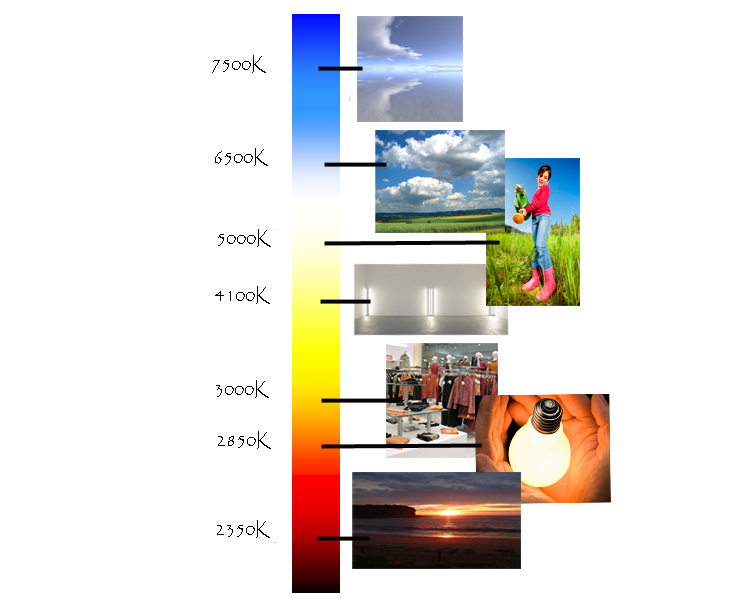
Light has color too.
Here is an illustrated chart of color temperatures.


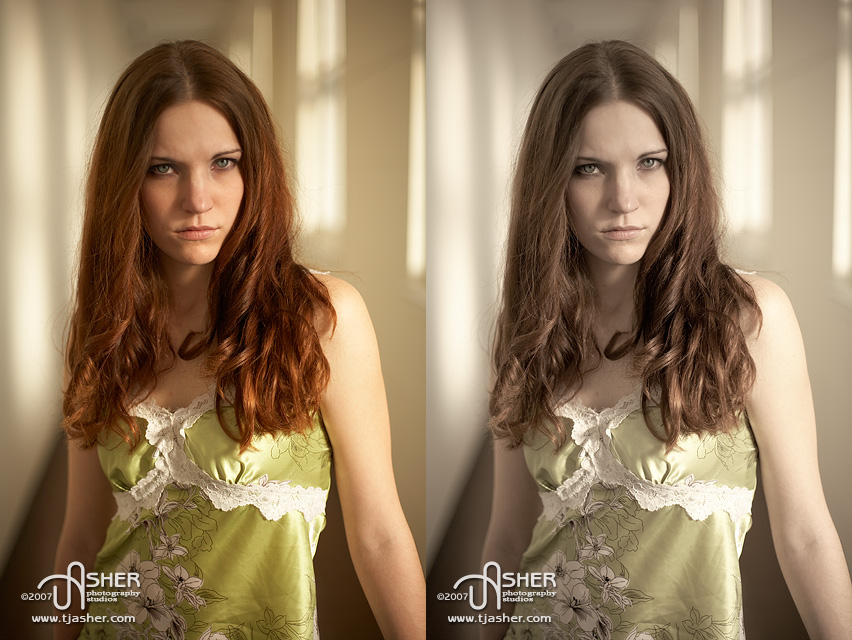
If you want to reproduce a particular light color, you can adjust your white balance to fake out the camera.


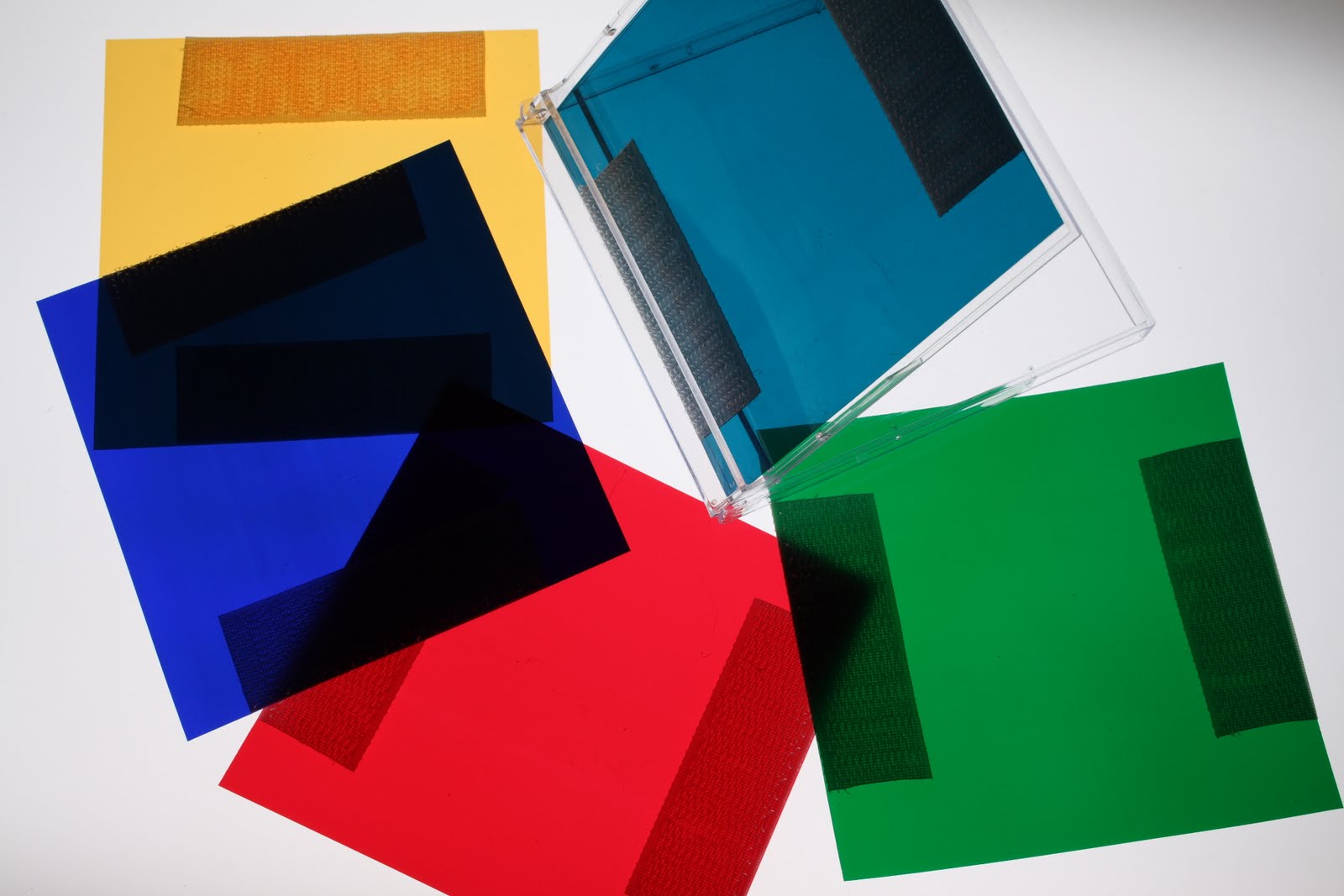
Or you can use gels- available for checkout in the checkout room.
GELS:

3. Controlling saturation


Director's homage- student project


Split screen project

Thursday, March 2, 2017

Student made homage films


How to make a David Lynch Film


How To Make A David Lynch Film from Ginger Beard on Vimeo.

PROJECT 3: NARRATIVE SCENE - based on INFLUENCES- An homage to a director

RTD 365 PROJECT 2 Fall 2018
NARRATIVE HOMAGE SCENE - based on INFLUENCES- homage to a director
OCTOBER 31

HOMAGE: special honor or respect shown publicly.

Select a director, a film or some cinematographer whose work inspires you. It can also be a cinematographer. Identify some of this person’s filmmaking strategies by doing research about their work and them. You will boil down one or two characteristics of their work and produce a short work that imitates or quotes this director or artist.

STEPS:
Research: Research the work of the director/creative. Look at several works. You don’t have to watch whole films but read about him or her in serious journals or blogs (there are many online).
By next week, Oct 3, you should know who the artist you will be using is and one or two strategies they use their work. See below for ideas.

Presentation: Write a short research paper about the artist’s work and prepare a presentation that includes 1 or 2 short clips (under 2 minutes). Write about the director’s work and the approach you are interested in Follow with a short description (treatment-pitch) of the work you will create.  Paper should be 1 to 2 pages and include references.

.
Plan your production: Using what you have learned from looking at this director's work, plan, light and shoot a scene = approximately 1 minute - that copies something they do. This can be a short scene or it can be a fragment - eg. a small element of what could be a larger project. Create a storyboard and shot list before you produce. I will set meetings with you to go over your production plans.

Collaborations can do longer pieces- but everyone must do some filming.
Your project will involve scripting, lighting, staging. 
You must have excellent lighting for this one.

CHOICES: You can choose a sound designer or cinematographer. It can be from television or cinema. Many directors overlap in projects. Watch one or two films or clips.

Think about any of the below filmic elements when developing your ideas. 

- These are also called

--> * mis-en-scene: Character, staging, Shadow, form, light, color, style *
- a lighting style, use of shadow and light
- a particular use of focus or lens effects
- a particular kind of movement, space, representation of time or temporality
- the use of color, scenery
- a particular way of staging a shot, framing or directing a conversation
- ways of using sound, soundtrack, rhythm, sound effects and/or silence
- a style of editing, the use of simple effects (accessible to our class)
- use of transitions, cuts, repetition and visual rhythm
- storytelling, plot, character choice- how is the character directed??

You will need to talk and write about the elements you decide to work with.


BEGIN TODAY --

DUE: March 9 Introduce us to the director you will make an homage of in class
Read a serious article. Push yourself beyond your comfort zone in terms of research- use the library! An online publication about contemporary directors is called “Senses of Cinema” or any link from this site. Search for your director.
If you are unsure, storyboard a scene from the director’s existing work, a useful exercise


READ
INGS to help you out. 

This is an article about working up ideas from. Her description of her working process might help you. She outlines professional practices for working for a client, although her work is limited to animation and storyboarding

-->
DUE: March 23- PRESENTATION, short paper and production concept
·                Presentation:
    • Show no more than 2 minutes of footage 
    • what elements of the artist’s work that are valuable to you 
    • don’t select a director whose work consists of effects you can’t do- no fight scenes, explosions or aerial or crane work 
    • TALK about any or all of these elements: Framing, use of color, acting, direction of characters and staging (where they are placed in relation to scene and camera lens), development of character, use or dialogue or silence, location, sets, effects, story.
·                Short paper:
    • write about I page about your director's style and turn this in with references (at least 2 other articles) at the end.
    • Add a short pitch and descriptive treatment for your project 
Productions begin March 23 after class.

DUE: March 30 all this information should be ready and you are in production
·                 Production plan
    • shot list
·                •           storyboard
·                             crew list
·                •           location
·                •           lighting and camera rental order
·                •           script if pertinent

April 6: rough cuts
April 13: Final cuts (deadline to be extended if necessary)

By screening on April 13: turn in a production book that will include
pre-production material- 300 word introduction to director, your lists, drawings, storyboards, location images/photos, scripts, costume and lighting ideas, cast, crew, music citations, anything you want to be paid for

TIPS
·                don’t choose a complex project with complex scenery or a large cast
·                No MICHAEL BEY.
·                Remember a good scene does not always need dialogue
·                You are not compelled to edit, but you should if this is essential to your idea. 


Wednesday, February 8, 2017

PUBLIC SERVICE PODCAST- some examples

The PSA is our second project because they are short and carry direct, unambiguous messages. Essentially the PSA is Public Service Advertising- not only an announcement.
You can also make a piece that is informational in other ways- for example that shows us something or explains something that the public should know.

An example of this kind is "The Story of Stuff" (see below)

BROTHER EARTH with Boots Riley and Josh Healey

Here is a nice black and white psa about .... living..

watch this first.


Bullying

"I want to be.." campaign for recycling


this is about student debt. Follow the argument they make. How does the soundtrack communicate with different layers?


About depression. Another PSA that uses music effectively.


- too long for a psa - but effective beginning. Just watch the first minute. This is about depression.


we're all in this together


This one is smart


STudent PSA on WATER use


LOcal food movement.

This has great shots, but how does it exclude certain communities?
is the music effective or monotonous?

Gotta love this! Promotion of the internet by students made in 1995.


PSA's was Matthew Cooke's series on "How to"are videos that inform and entertain. They range from 2-7 minutes.
Take a look at one or two of these. YOu can go to Cooke's website for more.


This a comedy skit from Saturday Night Live that is constructed like a PSA. It is okay to make a satiric project as long as there is an argument made for a public concern. In this case, it is a concern to everyone if parents drive terribly.


This "Brain on Drugs" series was infamously imitated for years. Here is a little about it from Wikipedia: "The PSA, titled "Frying Pan" (a.k.a. "Fried Egg" and "Any Questions?"), was conceived by art directors Scot Fletcher and Rick Bell, copywriter Larre Johnson and creative director Paul Keye at Los Angeles-based agency Keye/Donna/Pearlstein. It was directed by Joe Pytka through his own Venice-based production company Pytka Productions and produced by agency producer Harvey Greenberg, Pytka executive producer Jane McCann and Pytka producer John Turney. Anthony Marinelli scored the shorter versions.[1][2]" The ad was chosen by TV Guide as a top ad.

Here it is:

Following that ad, on the Youtube mix, there might be a bunch of anti-marijuana ads from the 60s. They are also interesting to watch.


This ad was created for the University of Minnesota and later retracted after people complained about it. Who is your PSA for?


A TIME magazine feature about what they think are the best PSA's ever. 
LINKED HERE


ADS about texting while driving. These are extremely graphic.
https://www.youtube.com/watch?v=R0LCmStIw9E


PSAs are created to elevate emotional response but they also contain information. Here is the kind of information that is useful to a PSA. From an article about water in California. LINKED HERE

This PSA - DUMB WAYS TO DIE- uses sarcasm in a subtle way to get people to understand it is a bad idea to play around train tracks.
check it out:


This is a great article:

How to Create the Perfect Public Service Announcement

Whether you have a cause of your own or you are an educator, PSAs create a forum for learners to actively participate in a project that will allow them to become stewards of and advocates for social change.

BY JACLYN BELL / MARCH 2, 2010
LINKED HERE