Opening montage has many shots that construct the subjectivity of a character: Look at the place at 3:40 where we see Wilton Sezker sitting in the train. Even before you see him, you hear his voice. He is speaking about his experience in first person, but not in the shot where he is in the train. The camera pans to the window outside, and you see what he sees. NEXT, there is a shot of him being interviewed, continuing on with his thoughts. NOte farther along in the documentary -- at 6:46 min, you will see a new shot of him, - an XCU.
Just like that every other form of art, everything that comprises a piece of work has to have a reason to be there. Every element. Just like being a chef, you use ingredients to create something that wasn’t there before. And you have to carefully think about what ingredients you choose, and how you mix it into your final dish. How you use it as a means of expressing an idea. He might think of it as a composer trying to write a piece of music for an orchestra, and in order to effectively do that, you’re drawing on all the instruments in the orchestra, and thinking about how they’ll function in the piece of music.
It’s the same thing for a filmmaker. Not one thing that you see or hear in the film is there randomly. Everything is designed, everything is intended, everything is there to perform a function. So when it comes to these patterns, a filmmaker simply cannot choose to have it there simply because it’s pretty.
Revenge is something that makes you happy and invigorates you only when it is in your imagination. But when it comes to actually realizing this it is never happy and never gives you pleasure. Because it is an act of total stupidity…So as long as revenge is in the imagination it is good for your mental health. But it must be infinitely put off, must be infinitely delayed.
1. Controlling light and tone
Besides lighting, you can control the way a scene looks by controlling the reflectivity of elements in the scene or the tonal range.
The range of brightness can be represented as grey tones. There are
3 ways to control tone or brightness in a shot.
Reflective control- which is accomplished through art direction - what people wear, what you see in scene. All talk shows and lighting schemes where there is even light diffused everywhere uses reflective control.
Incident control- lighting. what lights you use and where you place them.
Exposure - camera and lens adjustments
Most productions use all three forms of controlling the image.
Here is more about tone with a bunch of illustrated examples. LINK
2. Controlling color
Contrast (difference) and Affinity (similarity) are important factors in directing the eye of the viewer.
Saturation control (how deep the colors are) is another way to control the image.
The best way to limit colors in a scene is to limit the color palette itself.
Think about the clothes people wear and all the other items in a scene.
It is a good idea to create a color scheme.
Here is a site with selected movies and their color schemes: LINK
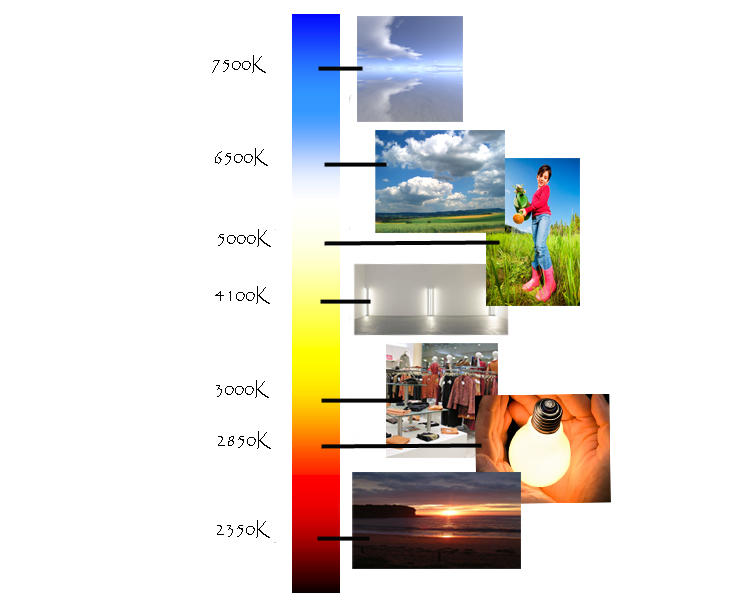
Light has color too.
Here is an illustrated chart of color temperatures.
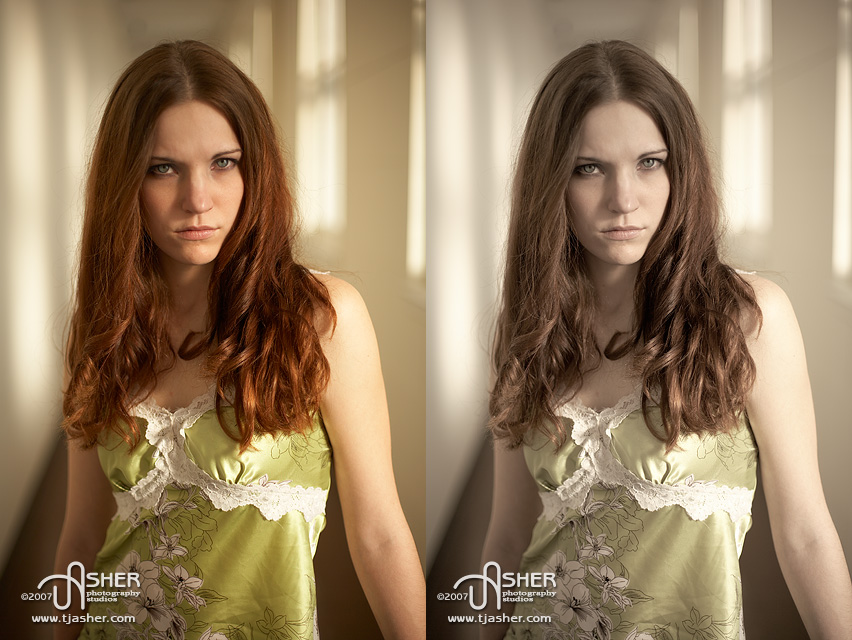
If you want to reproduce a particular light color, you can adjust your white balance to fake out the camera.
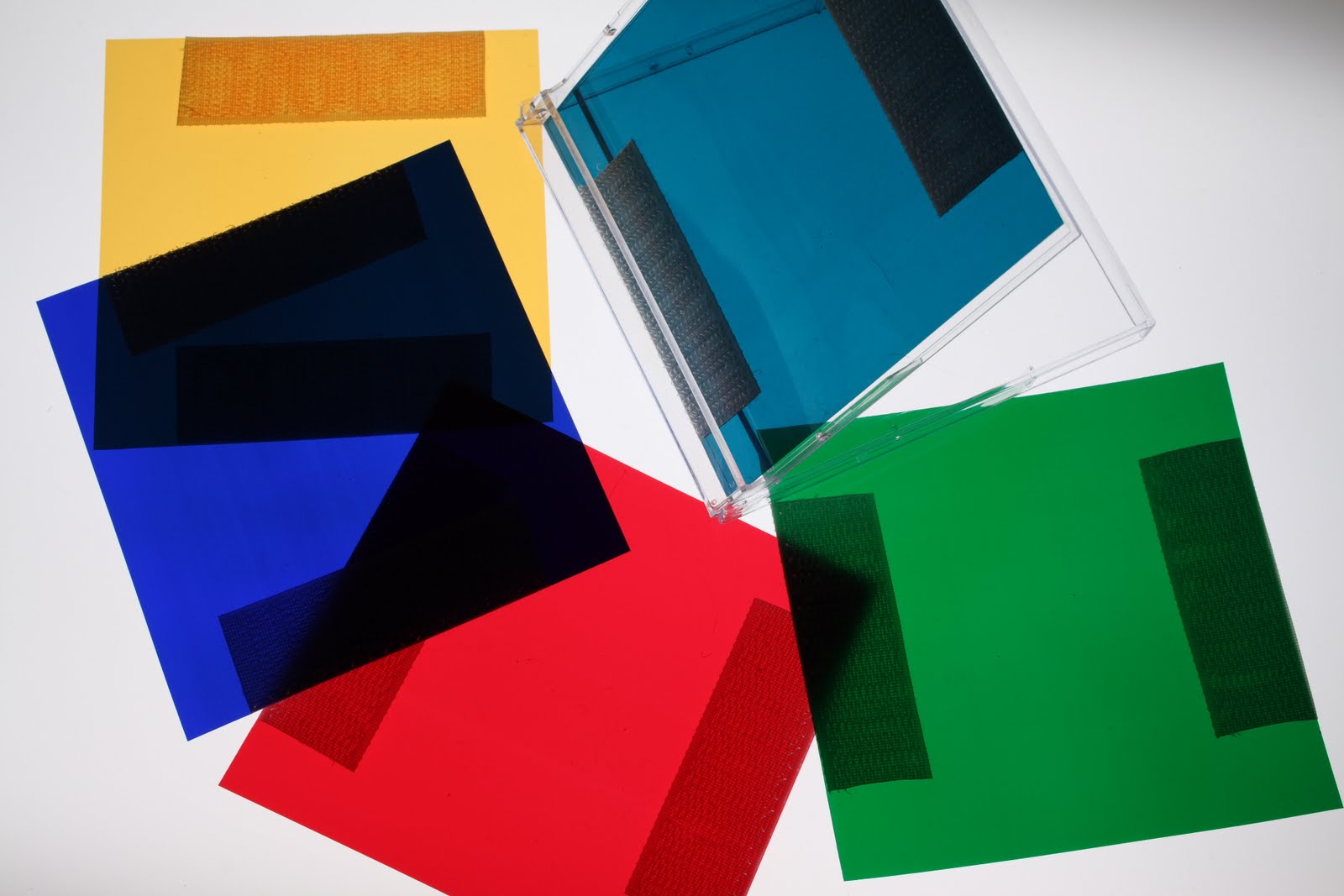
Or you can use gels- available for checkout in the checkout room.
GELS: